How Much Does a Hot Tub Cost in Denver? A 2026 Buyer's Price Guide
"How much does a hot tub cost?" is one of the first questions every buyer asks, and one of the hardest to answer from an online search. Prices range from a few hundred dollars for an inflatable tub to more than $25,000 for a premium spa, and the sticker price is only part of the story.
Below, we break down what a new hot tub really costs for Denver-area homeowners in 2026, including installation, the Colorado-specific factors that affect your budget, and how to get the most value for your money.
Already own a hot tub, or wondering about monthly bills? See our guide to how much it costs to run a hot tub in Denver.
The Short Answer
Most homeowners should expect to spend
between $5,000 and $18,000 on a new hot tub, according to
Modernize's 2026 cost guide, with a mid-range name-brand spa averaging around $9,000. Installation and site prep add to that total.
| Tier | Typical starting price | What you generally get |
|---|---|---|
| Entry-level | About $5,500 and up | Formed plastic shell, fewer jets, standard insulation, often plug-and-play |
| Value-priced | About $10,000 and up | Molded acrylic shell, more jets and variety, built-in sanitizing |
| Premium | About $14,500 and up | More therapy jets, advanced water care, saltwater options |
| Luxury | About $17,500 and up | Maximum jets and features, high-efficiency insulation |
Inflatable tubs cost much less, often $400 to $1,500, but they aren't designed for year-round use in a Colorado winter.
What Drives the Price of a Hot Tub?
Size and Seating
A compact two- to four-person spa costs less than a seven- or eight-person family model. More seats mean more water, more jets, a bigger cabinet, and a larger footprint to plan for.
Jets and Hydrotherapy
The number, type, and placement of jets have a big effect on price. A spa built for targeted back, neck, and foot therapy will cost more than one with a handful of general jets. Not sure what you need? Read our guide to choosing the right hot tub jets and seating layout.
Shell, Cabinet, and Insulation
Molded acrylic shells and durable composite cabinets cost more than formed plastic, but they hold up better over time. Insulation matters too. In Denver's cold winters, a well-insulated spa costs less to heat every month.
Water Care Systems
Ozone, built-in sanitizers, and saltwater systems add to the upfront price but can reduce chemical use and maintenance. Compare options in our post on saltwater vs. traditional chlorine hot tubs.
Lighting, Audio, and Smart Features
LED lighting, waterfalls, Bluetooth audio, and Wi-Fi controls can all raise the price. These features are great, but they're the easiest place to save if you're working within a budget.
Plug-and-Play (110V) vs. 240V: What Denver Buyers Should Know
One of the biggest decisions affecting cost is how your hot tub is powered.
Plug-and-play hot tubs run on a standard 110–120V outlet, usually with a dedicated GFCI circuit. Because they don't need a new 240V circuit, they're less expensive to install and easy to get up and running.
240V hot tubs need a dedicated circuit installed by a licensed electrician, which adds to your installation cost. In exchange, they heat faster and can usually run the heater and jets at the same time.
The Colorado factor: In Denver's cold snaps, and especially in the mountains, a 240V spa recovers heat faster after you soak. Plug-and-play models are a great value for many homeowners, particularly those with smaller households or covered patios. Larger families or mountain homes are often happier with 240V. We'll help you decide based on how and when you plan to use it.
At Over the Top Hot Tubs & Spas, we carry both. Resort hot tubs include affordable plug-and-play options, and Harmonic hot tubs range from compact small-space models to large hydrotherapy spas.
Installation Costs Most Buyers Forget
The price tag on the hot tub isn't the final number. According to Jacuzzi's 2026 installation planning guide, a typical above-ground installation adds about $1,500 to $6,000 on top of the spa price. Here's where that money goes:
| Installation item | Typical 2026 cost |
|---|---|
| Delivery and placement | $200 – $500 |
| Crane delivery (if needed) | $800 – $1,500+ |
| Site preparation and foundation | $600 – $3,000+ |
| Electrical work | $600 – $2,200+ |
| Steps and accessories | $200 – $1,500+ |
| Permits (where required) | $100 – $500 |
Denver-Area Factors That Affect Installation
- The foundation. Your hot tub needs a solid, level base, such as a concrete pad, reinforced deck, or a manufactured spa pad. A full hot tub is extremely heavy, so a deck may need structural reinforcement.
- Access. Narrow side yards, steep lots, fences, or a backyard with no gate access can mean extra labor or a crane.
- Mountain deliveries. In places like Summit County, Evergreen, and Vail, steep driveways, snow, and limited access can affect delivery planning.
- Permits. Many Front Range cities require an electrical permit for a hot tub. Check with your city or county before installation.
Getting ready for your new spa? Our Denver hot tub installation checklist walks you through everything to do before delivery day.
Don't Forget Ongoing Costs
A smart budget includes what it costs to own the hot tub, not just to buy it:
- Electricity: Monthly heating costs depend on your spa's insulation, cover, and how often you use it. In Colorado, cold weather plays a big part. See our full breakdown of hot tub running costs in Denver.
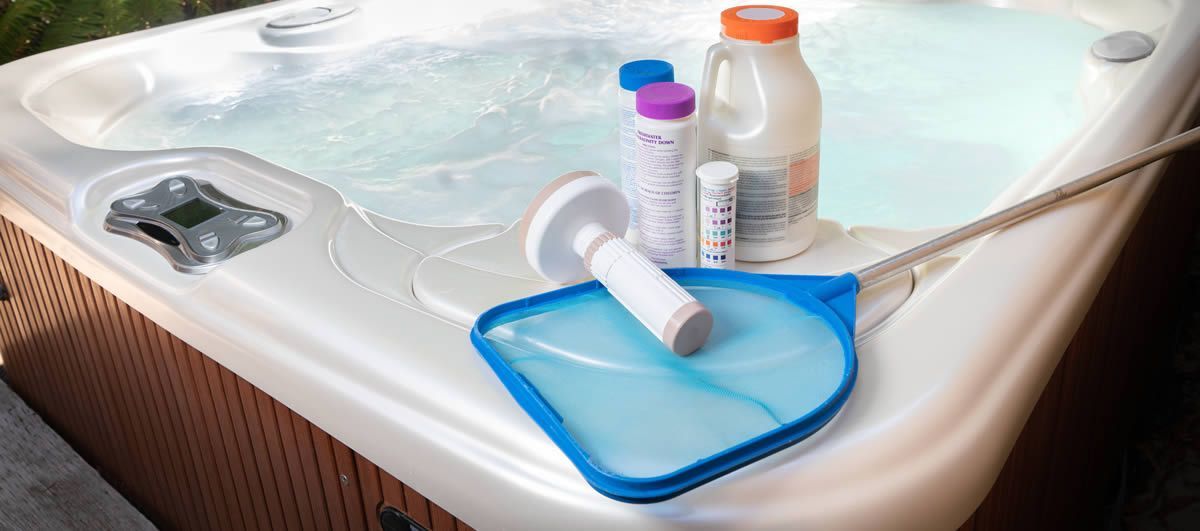
- Water care: Sanitizer, test strips, and filters.
- Maintenance: Many owners prefer professional service. Our Denver hot tub service plans start at $65 per weekly cleaning.
- Cover replacement: A quality cover protects your water and lowers heating bills, but it will eventually need replacing.
Why the Cheapest Hot Tub Isn't Always the Best Deal
A low-cost tub from a big-box store can look like a bargain. But in Colorado, a spa has to handle freezing nights, intense sun at altitude, and heavy use all year. Poor insulation means higher electric bills. Thin covers lose heat. And if something breaks, you need a local team that can actually service it.
Buying from a local dealer gets you:
- Expert help choosing the right size, jets, and power option
- Professional delivery and installation
- Local service and repairs after the sale
- Support for water care and winter questions
How to Get the Best Value on a Hot Tub
- Set a total budget, including installation, not just the tub itself.
- Decide on must-haves (seating, jets, water care) versus nice-to-haves (audio, waterfalls).
- Wet test if you can. Sitting in a spa tells you more than any spec sheet.
- Ask about current sales. Showroom promotions and seasonal pricing can save you real money.
- Ask about financing. We offer 0% in-house financing, which can make a better spa fit your monthly budget.
- Choose the right power option for how you'll use the spa during the winter.
Find the Right Hot Tub for Your Budget
Whether you want a simple plug-and-play spa for two or a large hydrotherapy model for the whole family, Over the Top Hot Tubs & Spas will help you find a hot tub that fits your space, your lifestyle, and your budget. We serve Wheat Ridge, Denver, Lakewood, Arvada, Golden, Boulder, Littleton, Highlands Ranch, Evergreen, Summit County, and communities across the Front Range.
Call 720-856-4434 (Summit County: 719-521-6456) or contact us to schedule a private showroom appointment and ask about our current pricing and 0% in-house financing.
Frequently Asked Questions
How much does a hot tub cost on average?
Most new hot tubs cost between $5,000 and $18,000, with a mid-range name-brand model averaging around $9,000. Installation, electrical work, and site preparation add to the total.
How much does it cost to install a hot tub in Denver?
A typical above-ground installation adds about $1,500 to $6,000 on top of the hot tub price, depending on electrical work, the foundation or pad, delivery access, and permits. A plug-and-play spa usually costs less to install than a 240V model.
Is a plug-and-play hot tub good for Colorado winters?
It can be, especially for smaller households or covered patios. Plug-and-play spas heat more slowly than 240V models, so they may take longer to recover after use in cold weather. For larger families or mountain homes, a 240V spa is often the better choice.
Do I need an electrician to install a hot tub?
A 240V hot tub requires a dedicated circuit installed by a licensed electrician. Many plug-and-play spas run on a standard outlet, but they still need a dedicated GFCI-protected circuit. Many Front Range cities also require an electrical permit.
What do I need to put a hot tub on?
A hot tub needs a solid, level foundation, such as a concrete pad, a manufactured spa pad, or a deck that's built or reinforced to hold the weight of a filled spa with people in it.
Is it cheaper to buy a hot tub from a big-box store?
The upfront price may be lower, but you may pay more over time through higher heating bills, shorter lifespans, and limited local service. A local dealer provides professional installation and ongoing service and repairs.
Do you offer hot tub financing?
Yes. Over the Top Hot Tubs & Spas offers 0% in-house financing. Call 720-856-4434 for details.
When is the best time to buy a hot tub?
Any time is a good time to ask about showroom promotions. Many Denver buyers like to purchase in the fall so their new spa is ready for winter soaking, the most popular time of year to use a hot tub in Colorado.